What Are Offshore Forex Brokers Risks
Offshore forex brokers often attract traders with promises of high leverage and easy access, but these advantages come with significant, often severe, risks due to minimal regulatory oversight, insecure client fund protection, and unreliable operational environments. This guide breaks down how to identify, understand, and mitigate these unique dangers.
- Author
- InvestLegacy contributor
- Originally published
- Editorially modified
- Fact-checked
- Not yet fact-checked
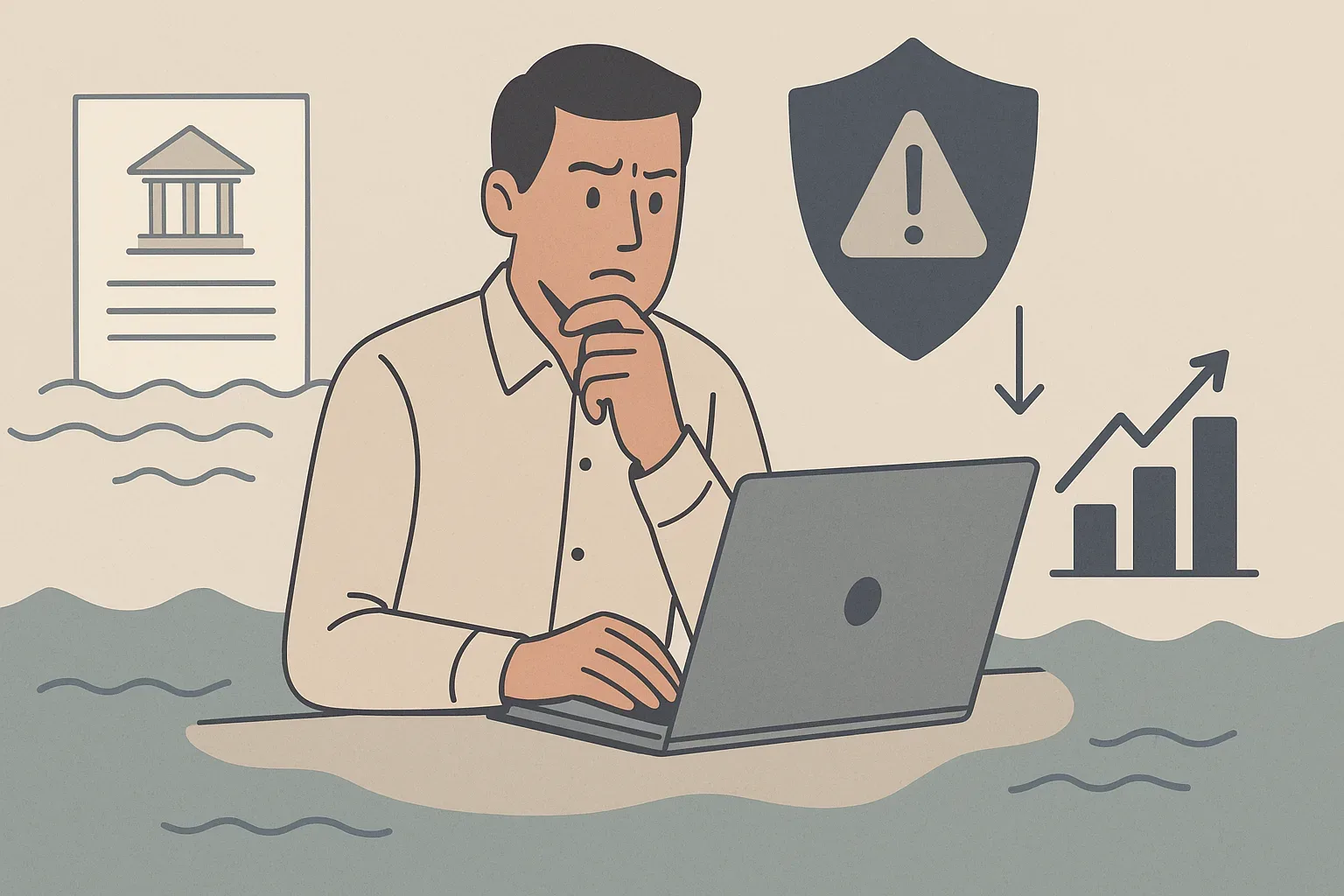
While well-regulated brokers in major financial jurisdictions operate under stringent rules designed to protect traders, a growing segment of the market involves offshore forex brokers. These entities often attract traders with promises of high leverage, simplified account opening, and access to markets that might otherwise be restricted. However, beneath this appealing surface lies a complex web of unique and often severe risks.
Understanding Offshore Forex Brokers: Definition and Appeal
Offshore forex brokers are financial entities that operate out of jurisdictions with less stringent regulatory environments compared to major financial hubs like the UK, USA, Europe, or Australia. Common offshore jurisdictions include Vanuatu, Belize, Seychelles, the British Virgin Islands, and certain Caribbean nations. Their primary appeal often stems from offering highly attractive trading conditions that might be restricted by stricter regulations elsewhere. This can include significantly higher leverage, sometimes as much as 1:500 or even 1:1000, which is appealing to aggressive traders seeking amplified market exposure. They may also boast simpler and quicker account opening procedures, sometimes requiring less Know Your Customer or Anti-Money Laundering documentation.
The Foundational Risk: Absence of Robust Regulatory Oversight
Regulated brokers in jurisdictions like the FCA (UK), ASIC (Australia), CySEC (Cyprus), or NFA (USA) are subject to comprehensive rules governing their capital requirements, operational conduct, transparency, and client fund segregation. These regulators actively monitor broker activities, investigate complaints, and have the authority to impose severe penalties or revoke licenses. In contrast, offshore jurisdictions may have minimal or superficial regulatory bodies that lack the resources, expertise, or genuine intent to enforce meaningful standards. Their primary function can sometimes be more about collecting license fees than about protecting investors. This regulatory void means offshore brokers operate with little accountability. There are often no independent checks on their financial stability, no standard requirements for how they handle client orders, and no transparent dispute resolution mechanisms. This absence of a strong regulatory framework creates an environment where brokers can act with impunity, leading to significant risks for traders who lack any genuine recourse in case of misconduct or insolvency.
Financial Security Risks: Safeguarding Your Capital
With regulated brokers, client funds are typically segregated from the company's operational funds and held in separate bank accounts. This segregation ensures that if the broker faces financial difficulties or goes bankrupt, client money remains protected and cannot be used to pay off the broker's creditors. Many top-tier regulated jurisdictions also offer investor compensation schemes, providing a safety net that refunds clients up to a certain amount if their broker becomes insolvent. Offshore brokers often do not adhere to such stringent client fund segregation requirements. This means that if an offshore broker disappears, files for bankruptcy, or simply refuses to process withdrawals, traders often have little to no legal or financial protection for their deposited funds. The entire capital is at a significantly higher risk of loss without any protective mechanisms in place.
Operational and Trading Environment Risks to Be Aware Of
Beyond regulatory and financial security, offshore brokers present several operational and trading environment risks that can directly impact a trader's performance and experience. Perhaps the most common operational frustration involves withdrawals; offshore brokers are frequently reported for delaying withdrawal requests, imposing unexpected fees, or outright refusing to process them, citing opaque terms and conditions that are difficult to challenge.
Legal and Compliance Implications for Traders
For instance, some countries explicitly forbid their citizens from trading with brokers that are not licensed by their domestic financial authorities.
Key Warning Signs of Potentially Risky Offshore Brokers
Overly aggressive marketing tactics, promising guaranteed high returns, or offering unrealistic bonuses that come with impossible withdrawal conditions are also major indicators of a high-risk entity. Poorly designed websites with generic content, grammatical errors, or a lack of transparent information about the company's history, management, or physical address are also red flags. Customer reviews frequently reporting issues with withdrawals, unresponsive support, or sudden account closures are also critical warning signs. Traders should always conduct thorough due diligence and research any potential forex broker comprehensively.
Strategies to Mitigate Risks When Considering an Offshore Broker
The first step is to thoroughly research the specific offshore jurisdiction and its regulatory body, understanding its actual enforcement capabilities. Prioritize brokers with a longer operational history and a relatively clean online reputation, backed by independent reviews (not just those on their own site). Start with a very small deposit to test the broker's operational integrity, focusing on deposit and withdrawal processes before committing significant capital. Diversify your funds across multiple brokers, including well-regulated ones, rather than concentrating all capital with a single offshore entity. Use secure payment methods that offer some level of buyer protection, if available, and keep meticulous records of all communications, transactions, and trading activity. Be wary of high leverage offers, as they amplify losses as much as gains. Most importantly, accept that any funds deposited with an offshore broker are at a heightened risk, and only trade with capital you can genuinely afford to lose. Understanding how to read a broker's regulatory status and verifying claims directly with the regulator is an indispensable part of this due diligence process.
Conclusion: Weighing the Risks Against Perceived Advantages
Offshore forex brokers present a tempting proposition for traders seeking less restrictive trading conditions or higher leverage. However, the allure of these perceived advantages must be carefully weighed against the unique and often severe risks they entail. The foundational absence of robust regulatory oversight creates a cascade of dangers, from the insecurity of client funds to manipulative operational practices and profound legal challenges. While strategies exist to mitigate some of these risks, no approach can entirely eliminate the heightened vulnerability traders face when operating outside the protective frameworks of well-regulated jurisdictions. Ultimately, the decision to engage with an offshore broker rests with the individual trader. It requires a deep understanding of the inherent dangers, meticulous due diligence, a willingness to accept significant financial exposure, and a clear recognition that the pursuit of unfettered trading freedom often comes at the cost of essential investor protection. For most retail traders, the security and reliability offered by a regulated forex broker will far outweigh the speculative benefits of venturing into the unregulated offshore landscape.
What defines an offshore forex broker and why do some traders consider them?
An offshore forex broker is a brokerage firm registered and operating in a jurisdiction that has less stringent financial regulations compared to major financial centers. These jurisdictions, often small island nations or developing countries, offer an environment with lower capital requirements, simplified licensing procedures, and less oversight regarding client fund protection and operational conduct. Examples include Vanuatu, Belize, Seychelles, and the British Virgin Islands. Traders consider them for several key reasons. Firstly, they often offer significantly higher leverage ratios, sometimes exceeding 1:500 or 1:1000, which can amplify potential profits (and losses). Secondly, the account opening process is typically quicker and less invasive, requiring minimal Know Your Customer (KYC) documentation. Thirdly, some traders seek to bypass restrictions imposed by their local regulators on specific financial products or trading strategies. Lastly, offshore brokers may attract clients through aggressive marketing, appealing bonuses, and promotions that are prohibited in more regulated markets, creating a perception of greater opportunity or benefit.
What are the specific regulatory and legal risks inherent in using offshore forex brokers?
The regulatory and legal risks inherent in using offshore forex brokers are substantial and multifaceted. From a regulatory perspective, the primary danger is the lack of robust oversight from a credible financial authority. Offshore regulators often have limited resources, expertise, or legal teeth to enforce protective measures, such as client fund segregation, fair execution practices, or transparent dispute resolution. This means traders have little recourse if the broker engages in misconduct or collapses. Legally, pursuing a claim against an offshore broker is often a complex, costly, and protracted battle. The legal systems in these jurisdictions may not be independent, efficient, or designed to protect foreign retail investors. Even if a judgment is obtained, enforcing it internationally can be nearly impossible. The absence of investor compensation schemes in most offshore jurisdictions also means that capital is unprotected in case of broker insolvency.
How does the safety of client funds differ when trading with offshore brokers compared to regulated ones?
The safety of client funds differs dramatically when comparing offshore and regulated forex brokers. In heavily regulated jurisdictions like the UK (FCA) or Australia (ASIC), brokers are mandated to segregate client funds from their own operational capital. This means client money is held in separate bank accounts, ensuring it cannot be used for the broker's business expenses or to pay off their creditors in case of bankruptcy. Many regulated environments also offer investor compensation schemes, such as the Financial Services Compensation Scheme (FSCS) in the UK, which protects client funds up to a certain amount in the event of broker insolvency. With offshore brokers, these safeguards are typically absent. Client funds may be commingled with the broker's operating capital, making them vulnerable to the firm's financial instability, mismanagement, or even outright theft. Without segregation and compensation schemes, if an offshore broker fails or disappears, traders have virtually no mechanism to recover their deposited funds, placing their entire investment at severe and unmitigated risk.
What operational challenges and trading environment risks should traders anticipate?
A common concern is unfair trading practices, which can include frequent requotes on orders, unexplained price manipulation (sudden spikes or drops), or excessively wide spreads, especially during volatile market conditions, often to the broker's advantage. Execution quality can be poor, with significant slippage, delayed order processing, or even outright rejection of profitable trades. The trading platforms themselves might be less reliable, prone to freezing, outages, or security vulnerabilities, lacking the robustness of industry-standard platforms. Customer support can often be unresponsive, unhelpful, or inaccessible, leaving traders without assistance during critical moments. Perhaps the most frequently reported operational risk involves withdrawals: offshore brokers are notorious for delaying, imposing hidden fees on, or outright refusing withdrawal requests, citing obscure terms and conditions, effectively trapping client funds within their system.
How can traders identify the red flags of a potentially high-risk offshore broker?
Traders can identify red flags of a potentially high-risk offshore broker by scrutinizing several key areas. The most critical is the regulatory status: look for a vague or non-existent license, or one from an obscure jurisdiction without a credible financial regulator. A legitimate broker will clearly display its license number and provide a direct link to the regulator's public register for verification. Be wary of aggressive marketing tactics, especially promises of guaranteed high returns, unrealistic bonuses that tie up funds, or claims of zero risk. Examine the broker's website for unprofessionalism, such as grammatical errors, generic content, lack of transparent information about company ownership, physical address, or management team. Scrutinize the terms and conditions for clauses that are overly complex, contradictory, or heavily favor the broker, particularly concerning withdrawals, fees, or account closures. Any pressure to deposit quickly or requests for unusual personal information should also be treated with extreme caution.
What steps can traders take to minimize their exposure to risks if they choose to use an offshore broker?
While complete elimination of risk with offshore brokers is improbable, traders can take several steps to minimize their exposure if they choose to use one. Firstly, conduct extensive due diligence: research the specific offshore jurisdiction's regulatory framework to understand its actual protective mechanisms and scrutinize the broker's background, seeking out a long operational history and a generally positive, independently verifiable online reputation. Start with the smallest possible deposit to test the broker's reliability, especially focusing on the efficiency and transparency of their withdrawal process, which is often a major point of failure. Avoid committing significant capital to any single offshore entity; instead, diversify funds across multiple brokers, including well-regulated ones, to spread risk. Finally, and perhaps most importantly, operate on the absolute premise that any funds deposited with an offshore broker are at a heightened risk, and only ever trade with capital you are prepared and able to lose entirely.
Risk disclosure
Trading Insider provides news, reviews, analysis, and educational information only. Nothing on this website is financial, investment, trading, legal, recovery, or tax advice. Forex, CFDs, cryptoassets, spread betting, binary options, and other leveraged or speculative products can result in substantial or total loss. Verify provider claims, regulatory status, fees, and risks independently before acting.
Sources and evidence
No verified source list was recoverable for this archived record. Any external links kept in the body are preserved from the original publication for audit purposes only and are not endorsements.
Disclosure: No commercial or affiliate relationship has been evidenced for this record. Affiliate status is recorded as unknown rather than assumed either way.
More from the archive
Earn Bigger Profits With Algo Trading
Do you want to make the most of your forex trading but you can’t keep track of the market because you have many other things to do? Do you find it difficult to focus on the many graphs, charts, moving indicators and…

FX Trading Platform
FX Trading Platform: a practical, no-hype guide for readers from Forextradinginsider.
Regulators Add More Unauthorised and Clone Firms to Warning Lists
Several financial authorities expanded their public warning lists this quarter, naming firms soliciting deposits without authorisation and clones impersonating licensed businesses. The register remains the first place to check a broker.